Zwei Wochen im Dehcho
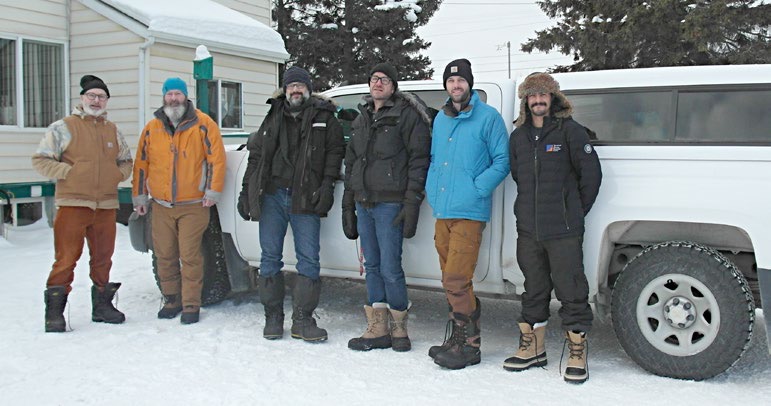
Vom 7. bis 22. März 2023 ging es von Montréal über Yellowknife und Fort Simpson an die Scotty Creek Research Station in den Nordwest-Territorien. Anlass war der Wiederaufbau eines Messturms, den ein Waldbrand im Oktober 2022 zerstört hatte. Möglich wurde die Reise durch das AtmosBios-Lab der Université de Montréal.
Für die Graphic Novel war das der eigentliche Anfang. Bis dahin bestand das Projekt aus Telefonaten, Studien und Grundlagenrecherche. Vor Ort ging es darum, die Menschen kennenzulernen, über die das Buch erzählt — und zu begreifen, welcher logistische Kraftakt hinter Feldforschung in entlegenen Gegenden steckt. Vieles davon lässt sich nicht lesen, man muss es einmal getragen haben.
Warum überhaupt
Die Scotty Creek Research Station ist Kanadas erste indigen geführte Forschungsstation. Kurz nach der Übergabe an die Łı́ı́dlı̨ı̨ Kų́ę́ First Nation brannte es. Zerstört wurde unter anderem der Messturm, an dem Oliver Sonnentag seit über zehn Jahren den Gasaustausch zwischen Boden, Wald und Atmosphäre aufgezeichnet hatte — Daten, die es in dieser Länge für eine bewaldete Permafrostfläche kaum ein zweites Mal gibt.
Für einen Wiederaufbau blieb ein enges Zeitfenster: solange der Boden gefroren ist. Mit der Schneeschmelze wird das Land weich und praktisch unpassierbar.
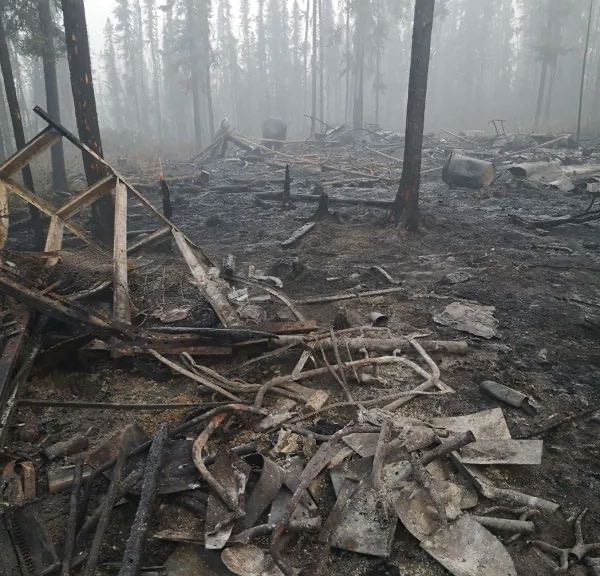
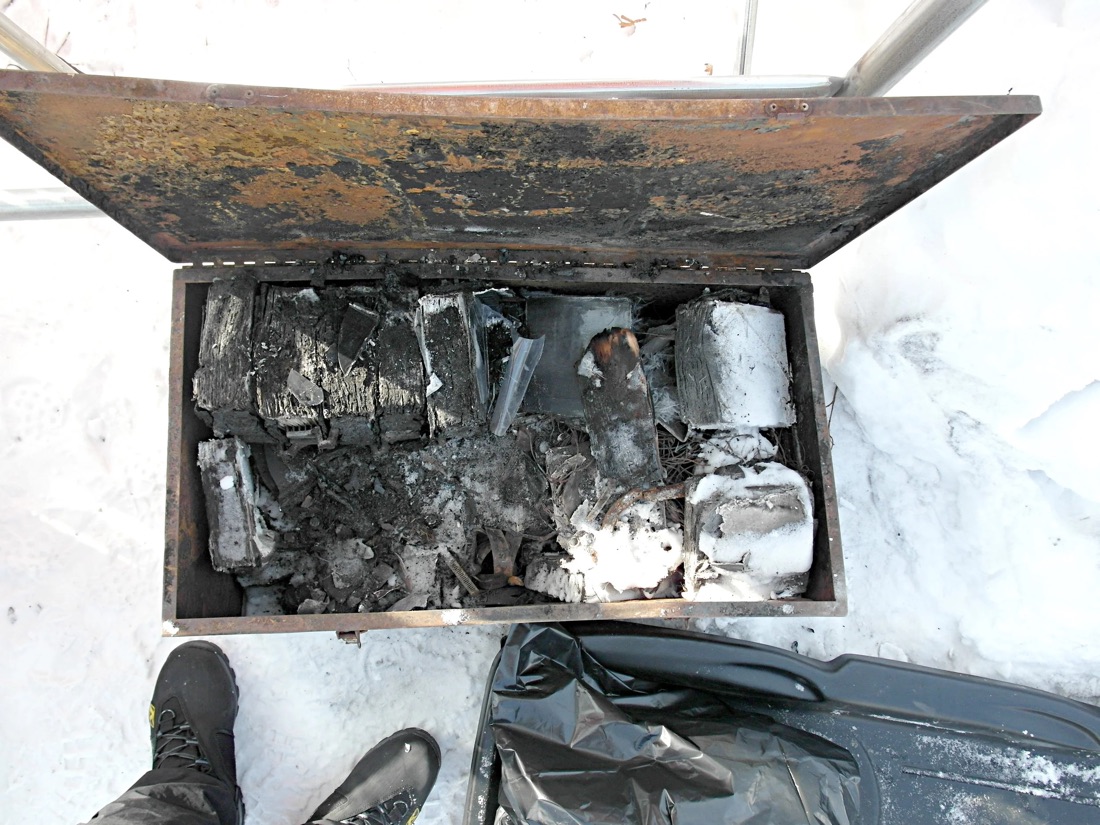
Die Station nach dem Waldbrand vom Oktober 2022. Fotos: Dieter Cazon
Montréal, Yellowknife, Fort Simpson
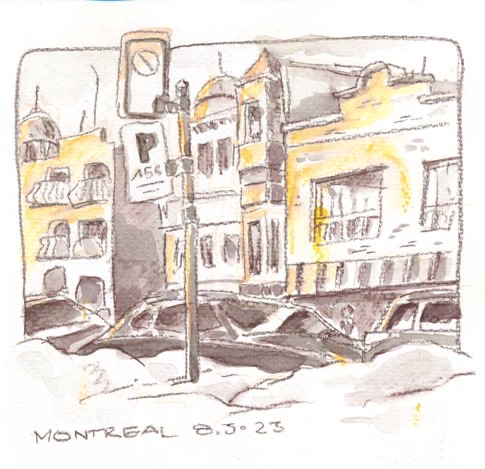
Los ging es in Montréal, wo Oliver an der Université de Montréal forscht. Von dort in den Norden: Yellowknife, dann Fort Simpson — Liidlii Kue, „wo die Flüsse zusammenkommen“.
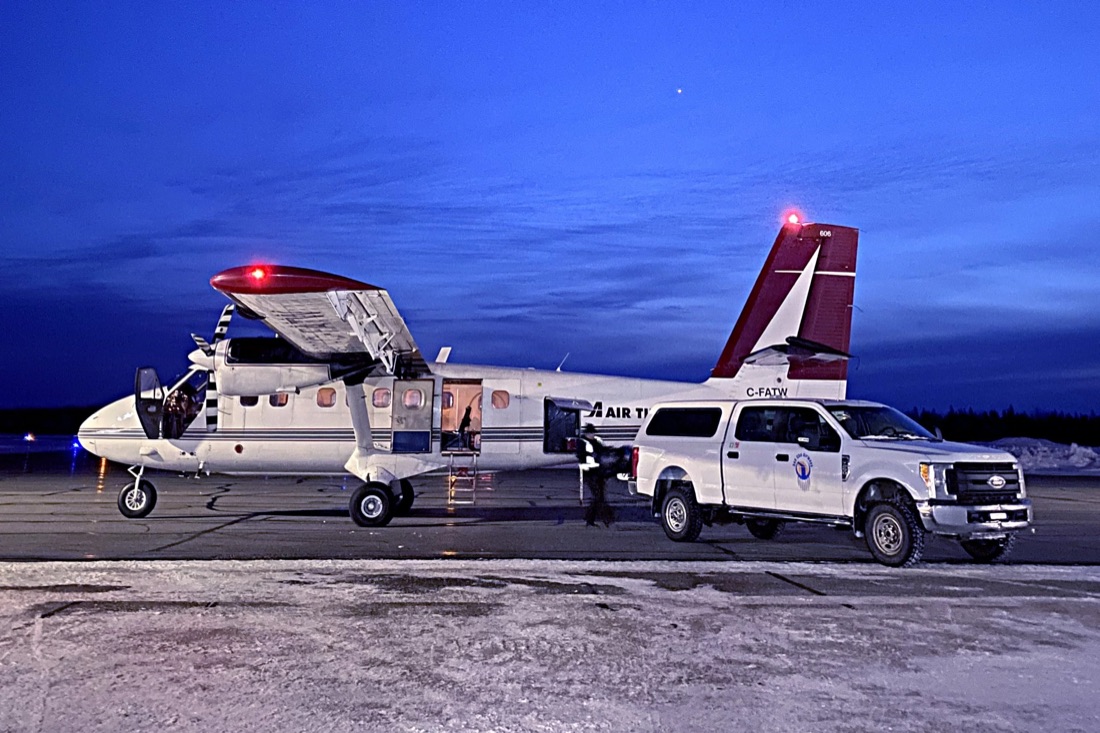
In Yellowknife gab es ein Interview mit Cabin Radio über das Comic-Projekt und den Wiederaufbau. Der Artikel schaffte es später bis in einen Newsletter des NASA-Programms ABoVE.
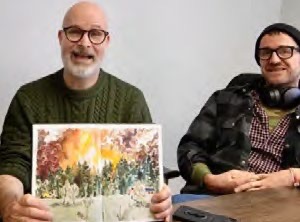
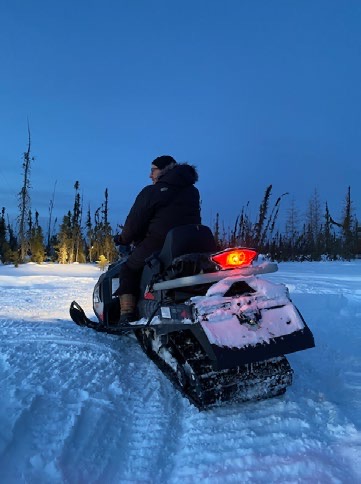
In Fort Simpson traf die Crew Dieter Cazon, den Land Resources Manager der Liidlii Kue First Nation — und das beim Beaver Tail Jamboree, dem jährlichen Frühjahrsfest mit Schneemobilrennen am Janor House. Neben den letzten Absprachen zum Wiederaufbau ging es dabei auch um die Dekolonisierung der Forschung: wer auf diesem Land forscht, wer fragt, wer entscheidet.
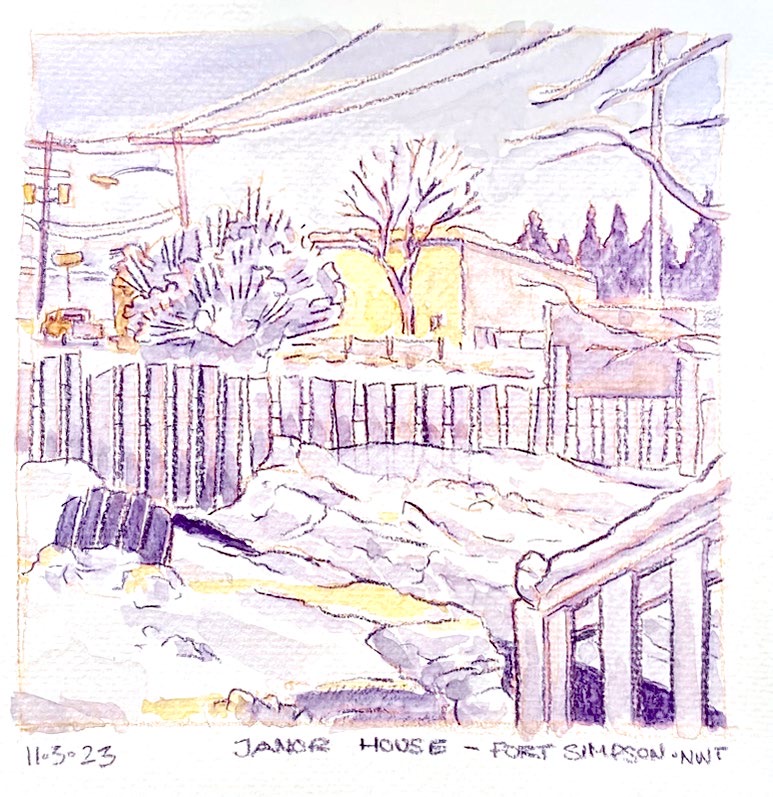
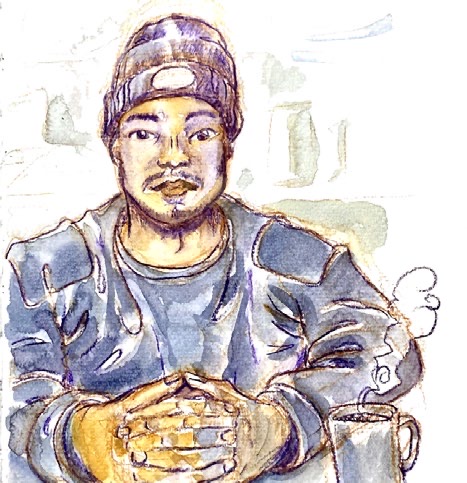
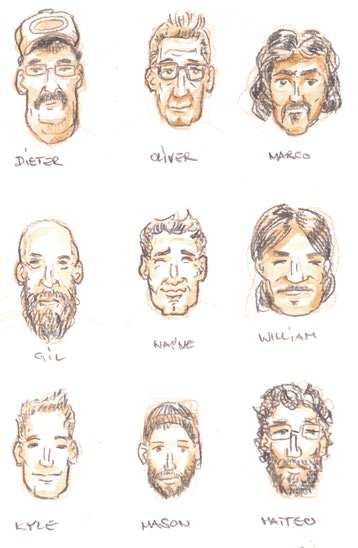
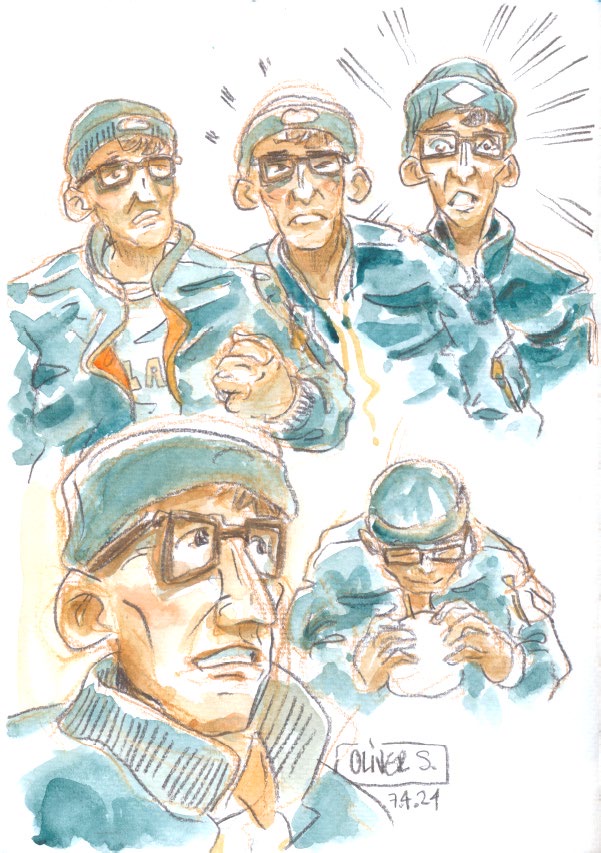
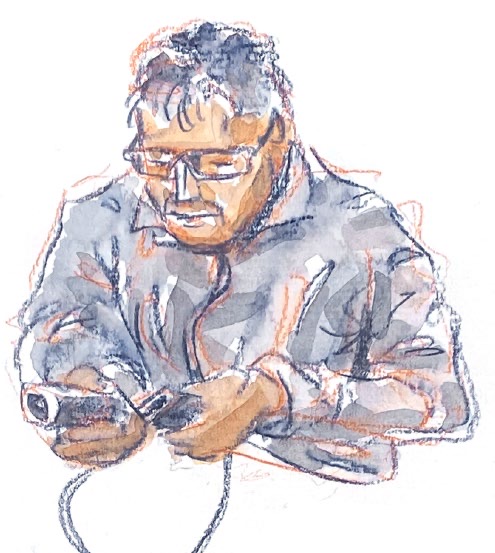
Skizzen aus Fort Simpson, Nordwest-Territorien, 2023
An der Station
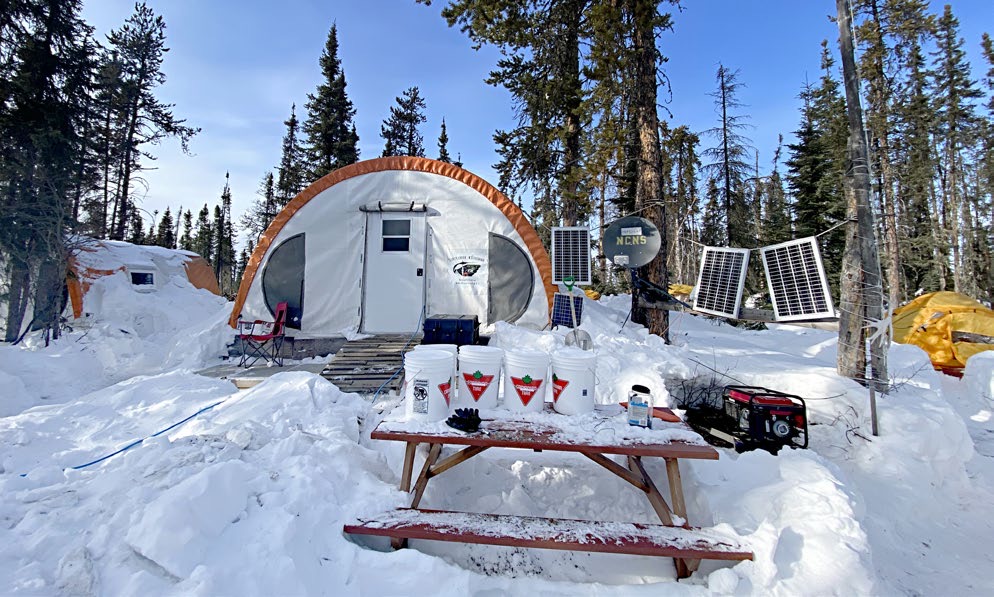
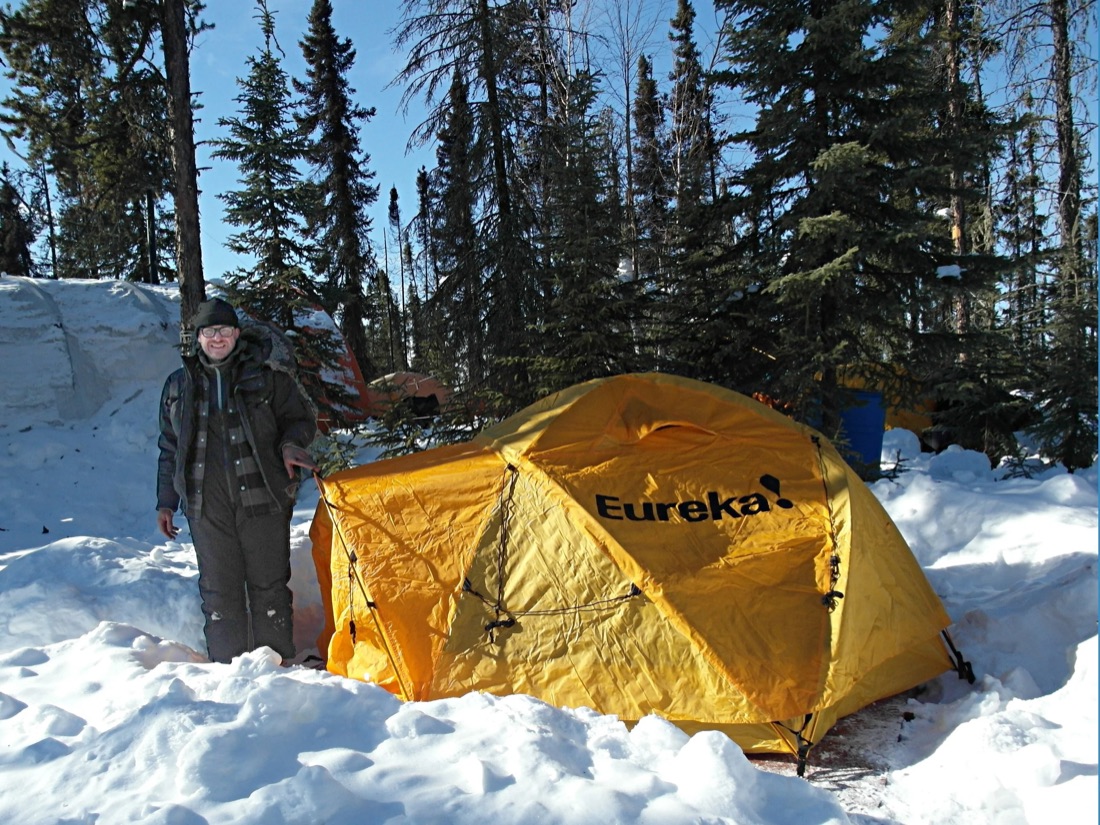
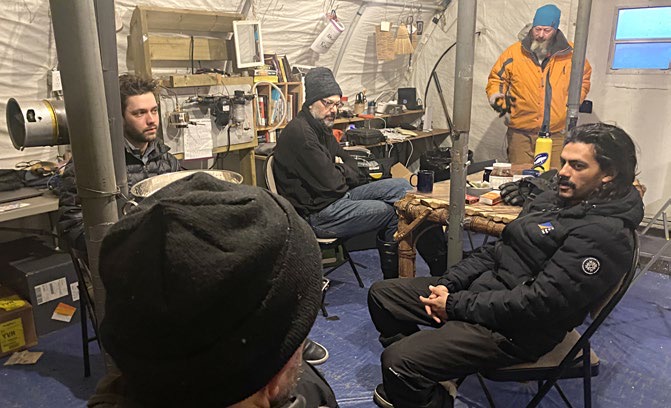
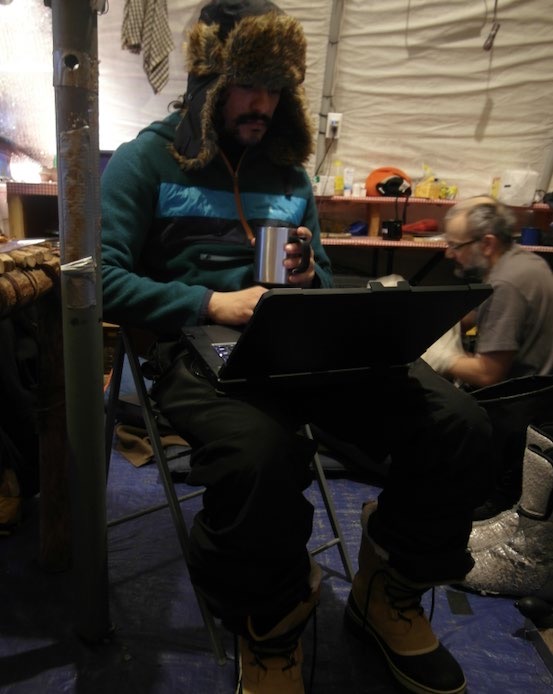
Die Station selbst besteht im Winter aus Zelten: ein Hauptzelt als Küche, Büro und Aufenthaltsraum, daneben Schlafzelte. Strom kommt von Solarpaneelen und einem Generator, Wasser aus Eimern. Wer hier arbeitet, arbeitet mit Handschuhen.
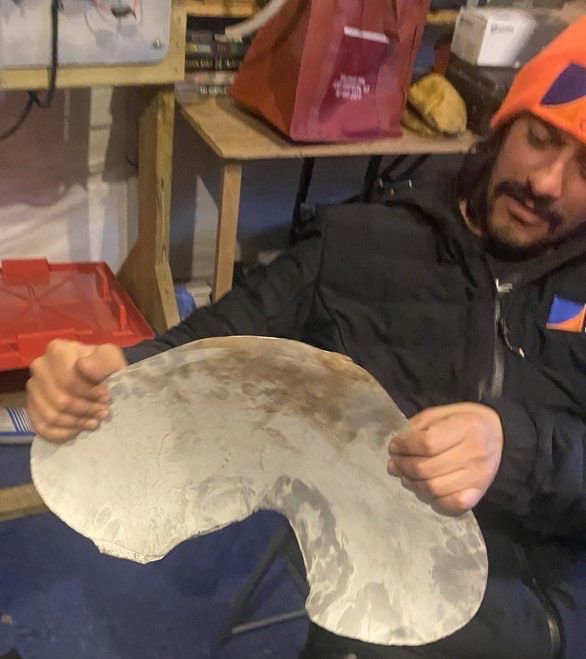
Vom Brand war überall etwas zu finden. Am eindrücklichsten die Reste der Propanflaschen, die in der Hitze explodiert sind — Marco fand ein Stück davon, das aussieht wie ein aufgerissenes Blatt.
Der Turm
Der Wiederaufbau selbst ist Handarbeit: Segmente stecken, ausrichten, verspannen, Instrumente montieren und kalibrieren. Alles bei Temperaturen, bei denen Akkus schnell leer und Finger schnell klamm sind.
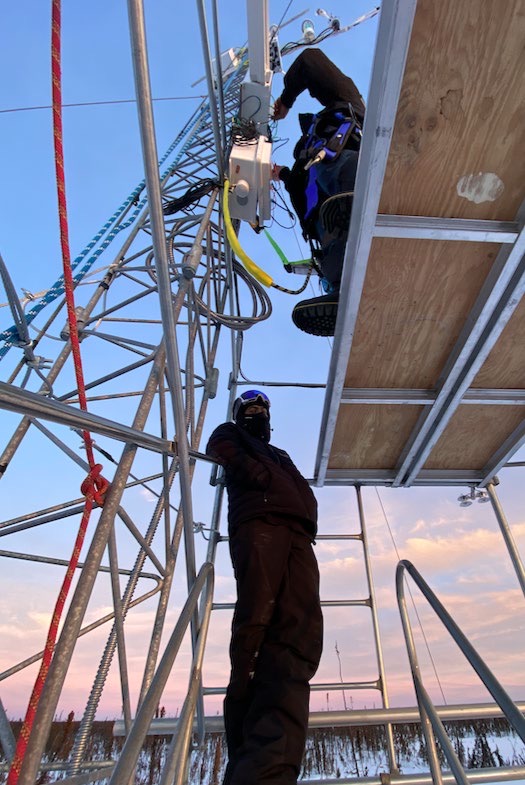
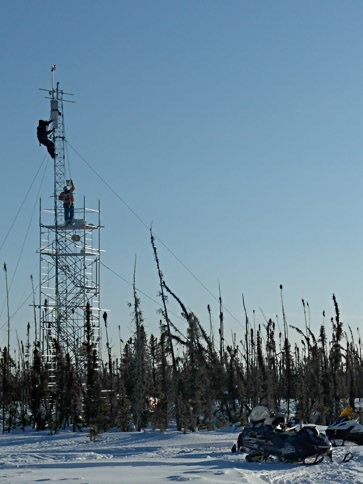
Von oben sieht man, was der Brand gemacht hat: ein Mosaik. Nicht alles ist verbrannt, und was verbrannt ist, ist unterschiedlich stark verbrannt. Waldbrände im Norden Kanadas gehören zum Ökosystem. Es sind keine kalifornischen Feuerwalzen, eher Schwelbrände. Das Problem ist nicht das Feuer an sich, sondern die dünne Infrastruktur in der Abgeschiedenheit — und dass Häufigkeit und Intensität zunehmen.
Was mitkam
Zurück kamen ein volles Skizzenbuch, Interviews und ein deutlich klareres Bild davon, worum es in diesem Buch geht. Aus den Studien wurden Charakterentwürfe, aus den Gesprächen ein Skript.
Bei den indigenen Themen begleiten mich seither Dieter Cazon und der Filmemacher Jonathan Antoine von der Liidlii Kue First Nation sowie Hannah Currie (Inuit-Métis). Ohne diesen laufenden Austausch ginge das Buch nicht — Indigene sollen darin zeitgenössisch und auf Augenhöhe vorkommen, nicht romantisiert.
From 7 to 22 March 2023 the route ran from Montréal via Yellowknife and Fort Simpson to the Scotty Creek Research Station in the Northwest Territories. The occasion was the rebuild of a flux tower destroyed by a wildfire in October 2022. The trip was made possible by the AtmosBios Lab at the Université de Montréal.
For the graphic novel, this was where it really began. Until then the project consisted of phone calls, studies and background research. On site it was about meeting the people the book is about — and grasping what a logistical feat field research in remote places actually is. Much of that can’t be read up on; you have to have carried it once.
Why any of this
The Scotty Creek Research Station is Canada’s first Indigenous-led research station. Shortly after it was handed over to the Łı́ı́dlı̨ı̨ Kų́ę́ First Nation, it burned. Among the losses was the tower on which Oliver Sonnentag had recorded the exchange of gases between soil, forest and atmosphere for more than ten years — a record of a length that barely exists a second time for a forested permafrost site.
The window for a rebuild was narrow: only while the ground stays frozen. Once the snow melts, the land turns soft and is effectively impassable.
The station after the October 2022 wildfire. Photos: Dieter Cazon
Montréal, Yellowknife, Fort Simpson
It started in Montréal, where Oliver does his research at the Université de Montréal. From there north: Yellowknife, then Fort Simpson — Liidlii Kue, “where the rivers come together”.
In Yellowknife there was an interview with Cabin Radio about the comic project and the rebuild. The piece later made it into a newsletter of NASA’s ABoVE programme.
In Fort Simpson the crew met Dieter Cazon, land resources manager of the Liidlii Kue First Nation — at the Beaver Tail Jamboree, the annual spring festival with ski-doo races at Janor House. Besides the final arrangements for the rebuild, the talk was also about decolonising research: who gets to do research on this land, who asks, who decides.
Sketches from Fort Simpson, Northwest Territories, 2023
At the station
In winter the station is tents: a main tent serving as kitchen, office and common room, sleeping tents beside it. Power comes from solar panels and a generator, water from buckets. Whoever works here works in gloves.
Traces of the fire were everywhere. The most striking were the remains of the propane cylinders that exploded in the heat — Marco found a piece that looks like a torn-open leaf.
The tower
The rebuild itself is manual work: stack the segments, align, guy them out, mount and calibrate the instruments. All of it at temperatures where batteries go flat fast and fingers go numb faster.
From up there you can see what the fire did: a mosaic. Not everything burned, and what burned burned to different degrees. Wildfires in northern Canada are part of the ecosystem. They are not Californian firestorms, more like smouldering fires. The problem isn’t the fire as such but the thin infrastructure of a remote place — and the fact that frequency and intensity are rising.
What came back
What came back was a full sketchbook, a set of interviews and a much clearer sense of what this book is about. The studies turned into character designs, the conversations into a script.
On Indigenous matters I have since been advised by Dieter Cazon and filmmaker Jonathan Antoine of the Liidlii Kue First Nation, and by Hannah Currie (Inuit-Métis). The book would not work without that continuous exchange — Indigenous people should appear in it as contemporaries and equals, not romanticised.